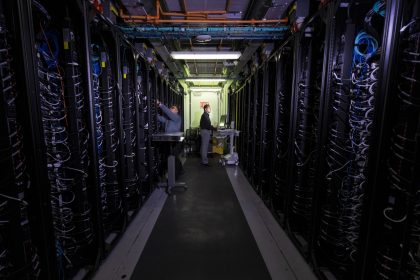

Sustainable technology has become a central focus of global innovation as governments, industries, and research institutions respond to climate change, resource scarcity, and rising energy demand. Instead of treating environmental protection as a separate goal, modern engineering increasingly integrates sustainability directly into energy systems, manufacturing, transportation, and digital infrastructure.
- 1. Rapid expansion of renewable energy systems
- 2. Energy storage technologies enabling renewable grids
- 3. Carbon capture, utilization, and storage (CCUS)
- 4. Electrification of transportation systems
- 5. Green hydrogen as an emerging energy carrier
- 6. Sustainable manufacturing and circular economy technologies
- 7. Smart grids and digital energy management
- 8. Sustainable computing and green data centers
- 9. Climate monitoring and environmental AI systems
- 10. Key challenges in scaling sustainable technologies
In recent years, real-world deployments of renewable energy, carbon capture, advanced materials, and electrification technologies have moved sustainability from experimental projects to large-scale industrial adoption.
1. Rapid expansion of renewable energy systems
One of the most significant developments in sustainability is the continued growth of renewable energy, particularly solar and wind power.
According to the International Energy Agency (IEA), renewable energy capacity has been expanding at record levels, with solar photovoltaic (PV) and wind energy leading global new power generation installations. Solar power has become one of the fastest-growing energy sources worldwide due to declining production costs and improved efficiency.
Key trends include:
- Large-scale solar farms in the Middle East, China, and the United States
- Offshore wind projects expanding in Europe and Asia
- Grid integration improvements using smart energy management systems
Solar panel efficiency has also steadily improved over time, with modern commercial panels achieving significantly higher conversion rates than earlier generations, making solar energy increasingly competitive with fossil fuels.
2. Energy storage technologies enabling renewable grids
A major challenge for renewable energy is intermittency—solar and wind power depend on weather and time of day. To address this, energy storage technologies have become essential.
The most widely deployed solution is lithium-ion battery storage, used in:
- Grid-scale energy storage systems
- Electric vehicles
- Residential solar systems
However, new technologies are emerging, including:
- Solid-state batteries (higher safety and energy density potential)
- Flow batteries for long-duration storage
- Sodium-ion batteries as a lower-cost alternative to lithium-based systems
Large-scale battery storage projects are increasingly being deployed alongside renewable installations to stabilize power grids and reduce reliance on fossil fuel backup generation.
3. Carbon capture, utilization, and storage (CCUS)
Carbon capture technologies are designed to reduce atmospheric CO₂ emissions from industrial sources such as power plants, cement production, and steel manufacturing.
CCUS systems work by:
- Capturing CO₂ emissions at the source
- Compressing and transporting the gas
- Storing it underground in geological formations or using it in industrial processes
Several large-scale CCUS projects are already operational or under development globally, particularly in Europe and North America. These systems are considered an important tool for reducing emissions in sectors that are difficult to fully decarbonize.
While CCUS is not a complete solution, it plays a complementary role in broader climate strategies.
4. Electrification of transportation systems
The transition to electric vehicles (EVs) is one of the most visible sustainability trends.
Global EV adoption has accelerated significantly in recent years, driven by improvements in battery technology, charging infrastructure, and government incentives.
Key developments include:
- Expansion of fast-charging networks across Europe, China, and North America
- Increased range and efficiency of modern EV batteries
- Electrification of public transport systems (buses and trains)
- Growth of electric logistics fleets for delivery services
According to the IEA, electric vehicle sales have reached record levels globally, with a rapidly increasing share of new car sales in major markets.
In addition to passenger vehicles, electrification is also expanding into shipping and aviation research, although these sectors face greater technical challenges.
5. Green hydrogen as an emerging energy carrier
Hydrogen is gaining attention as a potential clean energy carrier, particularly green hydrogen, which is produced using renewable electricity through electrolysis.
Green hydrogen can be used for:
- Industrial processes (steel and chemical production)
- Heavy transport (trucks, ships, trains)
- Energy storage for seasonal balancing
Several countries, including those in Europe and the Middle East, are investing heavily in hydrogen infrastructure projects. However, large-scale adoption still depends on reducing production costs and improving electrolysis efficiency.
6. Sustainable manufacturing and circular economy technologies
Manufacturing is a major source of global emissions and resource consumption. To address this, industries are adopting circular economy principles, which focus on reducing waste and reusing materials.
Key innovations include:
- Recycling technologies for plastics and metals
- Industrial symbiosis systems where waste from one process becomes input for another
- Eco-design practices that reduce material usage
- Digital twins for optimizing production efficiency
Advanced automation and AI are also being used to minimize waste in manufacturing processes and improve resource efficiency.
7. Smart grids and digital energy management
Modern energy systems are becoming increasingly digital through the development of smart grids.
Smart grids use sensors, AI, and real-time data analytics to:
- Balance energy supply and demand
- Integrate renewable energy sources more efficiently
- Detect and respond to outages automatically
- Optimize electricity distribution
These systems are essential for managing the complexity of modern decentralized energy networks, where power is generated from many distributed sources rather than a few large plants.
8. Sustainable computing and green data centers
The rapid growth of digital services and artificial intelligence has increased demand for computing power, leading to higher energy consumption in data centers.
To address this, companies are adopting green computing strategies, including:
- Energy-efficient server hardware
- AI-based cooling optimization systems
- Use of renewable energy to power data centers
- Advanced workload scheduling to reduce energy waste
Major cloud providers are increasingly committing to carbon-neutral or carbon-reduced operations, reflecting growing pressure to reduce the environmental impact of digital infrastructure.
9. Climate monitoring and environmental AI systems
Artificial intelligence is also being used to monitor and mitigate environmental damage.
Applications include:
- Climate modeling and prediction systems
- Deforestation detection using satellite imagery
- Ocean temperature and pollution tracking
- Wildfire detection and early warning systems
Satellite-based monitoring systems combined with AI analysis allow scientists and governments to track environmental changes in near real time, improving response strategies.
10. Key challenges in scaling sustainable technologies
Despite strong progress, several challenges remain:
Cost and infrastructure
Many sustainable technologies still require high upfront investment, especially in energy storage and carbon capture systems.
Material constraints
Battery production depends on critical minerals such as lithium, cobalt, and nickel, raising concerns about supply chain sustainability.
Grid integration
Renewable energy integration requires significant upgrades to existing electricity infrastructure.
Policy and coordination
Effective climate action depends on consistent regulatory frameworks and international cooperation.
Emerging sustainable technologies are rapidly reshaping how energy is produced, consumed, and managed. From renewable energy expansion and electric transportation to carbon capture systems and AI-driven environmental monitoring, real-world deployments are already reducing environmental impact at scale.
However, achieving global sustainability goals will require continued innovation, infrastructure investment, and coordinated policy action. The future of sustainability will likely be defined by integrated systems where energy, data, and materials are managed in a highly efficient and circular way, supported by digital technologies and advanced engineering solutions.